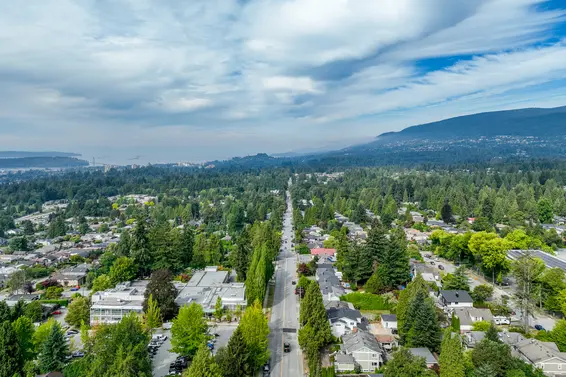
Is the first offer usually the best offer?
Not necessarily - but the first offer can absolutely be the best offer. One of the biggest mistakes a seller can make is assuming that because an offer arrived early, there could be a better buyer waiting around the corner.
Whether you should accept, reject or negotiate the first offer depends on the property, the current market, the strength of the offer and, perhaps most importantly, the likelihood of receiving something better.
This is particularly important when selling a home in North Vancouver or West Vancouver, where buyer demand can vary significantly from one property and price range to another.
Disclaimer: This article is for general informational purposes only and does not constitute legal, financial, or professional advice. Buyers and sellers should seek legal or professional advice specific to their situation.
Should I accept the first offer on my home?
There is no rule that says you should accept the first offer — or that you should reject it.
A seller should instead ask:
“Is this a good offer based on what we know about the market, and what is the realistic likelihood that we will receive a better one if we wait?”
Those are very different questions from simply asking whether another buyer might come along.
If a property has just come on the market and there is significant buyer interest, there may be a good reason to wait and see whether additional offers materialize.
On the other hand, if the property has been on the market for several weeks, showing activity has been limited and a serious buyer comes forward with a strong offer, turning it down simply because it is the first offer could be risky.
Why the first offer can be a very good offer
The first buyer to make an offer may actually be one of the most motivated buyers for the property.
They may have:
- Been watching the market for months;
- Already viewed several comparable homes;
- Determined that your property is the right fit;
- Been waiting for a home with its particular features or location; or
- Decided to act before another buyer does.
In some cases, the first buyer is not testing the seller — they are ready to buy.
This can be especially important in a market where there are relatively few active buyers.
A seller should therefore be careful about assuming that an early offer means there is plenty of additional demand.
What if I think another buyer will offer more?
This is where selling real estate becomes less about guessing and more about assessing probabilities.
You may have a buyer who has offered $1.5 million. You could reject it because you believe someone else might eventually pay $1.55 million.
But how likely is that?
If there are several other buyers actively interested in the property and your agent is aware of genuine interest, waiting may make sense.
If there is no evidence of another buyer, however, you are effectively making a bet that someone will eventually appear.
That bet may pay off — but it may not.
And if the first buyer moves on, you may find yourself back on the market trying to attract the same level of interest you already had.
Does the highest offer mean it is the best offer?
No.
Price is obviously important, but the strongest offer is not necessarily the one with the highest purchase price.
For example, consider two offers:
Offer A
- $1,500,000 purchase price
- Financing subject
- Several conditions
- Smaller deposit
- Completion date that is inconvenient for the seller
Offer B
- $1,480,000 purchase price
- Strong financing
- Short subject period
- Larger deposit
- Completion date that works perfectly for the seller
Depending on the seller's circumstances, Offer B could be the more attractive offer despite being $20,000 lower.
When evaluating the first offer on a North Vancouver or West Vancouver home, sellers should consider the entire package, including:
- Purchase price
- Deposit
- Financing
- Subject conditions
- Subject-removal dates
- Completion and possession dates
- Buyer flexibility
- Certainty of closing
- Any other terms important to the seller
What if the first offer is lower than I expected?
A lower-than-expected first offer does not necessarily mean you should reject it outright.
It may be an opportunity to negotiate.
The seller could counter the offer and see whether the buyer has room to improve the price or terms. Sometimes the first offer provides a starting point for a successful negotiation rather than being the final number.
It is also important not to assume that a low offer means there are better buyers waiting.
If the market is telling you that buyers see the property at a certain value, receiving a low first offer may be useful information.
Your agent should be able to put the offer into context with recent sales, competing inventory, showing activity and other buyer feedback.
What if the property is receiving lots of interest?
This is where the decision can be very different.
If your North Vancouver or West Vancouver home has just hit the market and you are receiving significant showing activity, multiple buyers are expressing serious interest and other agents are indicating that offers may be coming, there may be a reasonable case for waiting.
But even in a multiple-offer situation, the first offer could still be the strongest one.
For example, the first buyer might have offered:
- The highest price;
- The largest deposit;
- Strong financing;
- Few conditions; and
- The seller's preferred dates.
A later offer isn't automatically better simply because it arrives later.
What if there aren't multiple offers?
This is where the “first offer is never the best offer” mentality can become particularly dangerous.
In a balanced or slower market, there may not be another buyer waiting.
A seller might receive a strong offer after being on the market for two weeks and think:
“Let's wait another week. Someone else might come along.”
But there is no guarantee that another buyer will.
The seller could end up losing the existing buyer and waiting weeks for another offer that may never materialize.
This is why understanding current buyer demand for the specific property is so important.
The North Vancouver real estate market is not one single market. Buyer demand can differ considerably by neighbourhood, property type, price range and condition. The same is true in West Vancouver.
How long should I wait before accepting an offer?
There is no universal answer.
The right decision depends on the circumstances.
A seller and their agent should consider:
How long has the property been listed?
An offer on the second day on market may be viewed differently from an offer after 45 days.
How much buyer interest has there been?
Showings, repeat visits and feedback can provide useful information about the level of demand.
Are other buyers actually interested?
There is a big difference between someone saying they “like the property” and someone who is prepared to write an offer.
How does the offer compare with the market?
The offer should be considered alongside recent comparable sales and current competing listings.
What happens if we reject it?
This is perhaps the most important question.
Before rejecting a good offer, sellers should understand what they are realistically giving up and what they expect to gain by waiting.
Should I accept the first offer on my North Vancouver or West Vancouver home?
Not because it is the first offer — and not because it isn't.
The first offer should be evaluated on its own merits and against the current market.
If it is a strong offer and there is limited evidence that another buyer is likely to come along, accepting or negotiating with that buyer may be the right decision.
If there is substantial buyer interest and a reasonable expectation of multiple offers, waiting may make sense.
The key is to base the decision on evidence rather than the assumption that something better must be coming.
The bottom line
Is the first offer usually the best offer? No. But sometimes it is.
There is no reliable rule that says sellers should always accept the first offer or always wait for another one. The right decision depends on the property's market position, buyer demand, the terms of the offer and the likelihood of receiving something better.
If you are selling a home in North Vancouver or West Vancouver, having an experienced agent who can help you assess that decision is important. Our role is not simply to tell you to accept or reject an offer — it is to help you understand what you have, what you could realistically achieve by waiting, and what risks come with turning down a good buyer.
Thinking about selling on the North Shore? Talk to to ur team. We can help you evaluate your options and develop a strategy based on your specific property and the current North Shore real estate market.