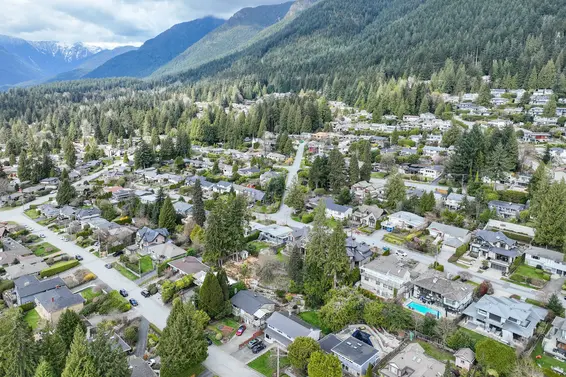
Heritage & Archaeological Protections in BC
If you’re buying or selling a home in North Vancouver or West Vancouver, you may come across references to heritage value or archaeological protections.
At first glance, these terms can seem similar — but they can have very different meanings and implications for a property. Some restrictions are visible and well-documented, while others may exist without any obvious indication on title.
In this guide, we break down what these protections are, how they differ, and what you should consider as a buyer or seller on the North Shore.
Disclaimer: This article is for general informational purposes only and does not constitute legal, financial, or professional advice. Heritage and archaeological regulations can be complex and may vary by property. Buyers and sellers should seek independent legal or professional advice specific to their situation.
What is the Heritage Conservation Act?
In British Columbia, the Heritage Conservation Act is provincial legislation that protects sites with archaeological or cultural significance.
These may include:
- Indigenous cultural sites
- Burial sites
- Shell middens
- Areas containing archaeological artifacts
Under this legislation:
- Protected sites cannot be altered without a permit
- The rules apply to both private and public land
- Protection can exist even if a site is undiscovered or unrecorded
This means a property could be affected even if there are no visible signs or formal designations.
Heritage Homes vs. Archaeological Protections: What’s the Difference?
It’s important to understand that “heritage” can refer to two very different things in real estate.
1. Archaeological Protections (Often Invisible)
These are typically related to Indigenous history and cultural significance and are governed at the provincial level.
- May not appear on title
- Can apply even to previously developed properties
- Often triggered during excavation or redevelopment
- May require permits, assessments, or monitoring
While less common in everyday transactions, these can have significant implications, especially for buyers planning to build or redevelop.
2. Heritage Homes & Neighbourhoods (More Common on the North Shore)
This is what most buyers and sellers will encounter locally.
- Typically older or character homes
- Identified by municipalities
- May be listed on a heritage register or formally designated
- Designation may impose restrictions to altering or demolishing the home
These are generally more visible and easier to identify, but can still impact renovation plans and property value.
Local Heritage Protections: What to Know
Municipalities like North Vancouver and West Vancouver have tools to protect properties and neighbourhoods with heritage value.
Community Heritage Register (CHR)
A list of properties identified as having heritage value.
- Inclusion does not automatically prevent changes
- May allow the municipality to delay approvals while evaluating options
Heritage Conservation Areas (HCA)
Designated neighbourhoods where preserving character is a priority.
- May include guidelines for renovations or new construction
- Can restrict demolition or major alterations
Heritage Designation
A formal designation often registered on title.
- Provides strong legal protection
- Limits changes to the property
- Typically requires permits for alterations
Why This Matters for Buyers and Sellers
Whether you’re buying or selling, these protections can affect:
- What you can build or renovate
- How long approvals may take
- Potential costs for permits, studies, or compliance
- Overall property value and marketability
One of the biggest challenges is that not all protections are obvious — especially when it comes to archaeological considerations.
A Real-World Example of the Risks
There have been cases in BC where buyers purchased properties intending to build or renovate, only to later discover archaeological protections.
In some situations:
- Work was stopped after purchase
- Additional permits and assessments were required
- Development plans could not proceed as expected
- Properties were later sold at a loss
These examples highlight the importance of understanding potential restrictions before completing a purchase.
Key Things Buyers Should Consider
If you’re buying — especially with plans to renovate or build — consider:
- Asking about heritage status or archaeological sensitivity
- Reviewing municipal plans or neighbourhood designations
- Allowing time for due diligence in your offer
- Seeking professional advice where appropriate
Even if a property has been previously developed, protections may still apply.
Key Things Sellers Should Know
If you’re selling:
- Be accurate and transparent in disclosures
- Understand that “heritage value” may exist even without formal designation
- Addressing these factors early can help avoid complications later
Why This Is Becoming More Important
Heritage and archaeological considerations are becoming increasingly important across British Columbia — particularly when it comes to redevelopment, excavation, or long-term planning.
The Province is currently reviewing and updating the Heritage Conservation Act through its ongoing Transformation Project. A recently released technical policy paper outlines proposed changes aimed at improving the system, including making permitting more efficient, providing greater clarity for property owners, and strengthening the role of First Nations in decisions related to cultural heritage.
For those interested in the details, you can review the Province’s technical policy paper here: [Heritage Conservation Act Transformation Project: Phase 3 Technical Policy Paper]
The Bottom Line
Heritage and archaeological protections can be easy to overlook but highly impactful.
On the North Shore:
- Most buyers will encounter municipal heritage considerations (older homes, neighbourhood character)
- In some cases, archaeological protections may also apply — particularly where redevelopment is planned
Understanding the difference — and doing the right due diligence — can help you avoid surprises and make more informed real estate decisions.
Thinking About Buying or Selling on the North Shore?
Navigating real estate on the North Shore involves more than just finding the right home — it’s about understanding the details that can impact your investment.
Our team has extensive experience helping clients evaluate properties, review strata and title documents, and identify potential risks before they become problems.
If you’re thinking about buying or selling, reach out anytime — we’re here to help you make confident, informed decisions.